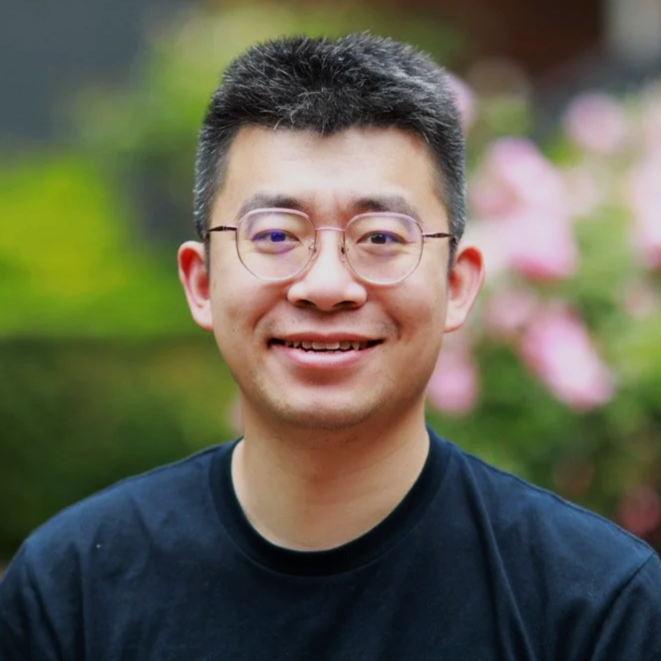
Dr. Mengran (Aaron) Li
I am a senior lecturer at the Department of Chemical Engineering. I obtained my PhD degree from the University of Queensland (UQ), Brisbane in 2016.
After graduation, I worked as a postdoc at the HBIS-UQ Innovation Centre for Sustainable Steel at UQ for three years helping the steel industry reduce carbon emissions by developing carbon dioxide electrolysis. In May 2021, I started another postdoc at Delft University of Technology, Netherlands continuing my research on carbon dioxide electrolysis for the EU Horizon Project SELECTCO2 until the end of 2022. In January 2023, I joined the Chemical Engineering Department as a Lecturer. In 2023, I was awarded the ARC DECRA to work on integrating carbon capture and electrolysis to reduce the cost associated with carbon neutralisation. In September 2025, I was confirmed and promoted to Senior Lecturer.
My research interest is mainly focused on addressing pressing challenges that impede the use of electrochemical systems at scale for low-carbon energy generation and industrial processing. My contributions to the field are recognised by multiple awards, including 2021 Journal of Materials Chemistry A Emerging Investigator in Energy and Sustainability, 2023 FEIT Excellence Award in Mid-Career Research, 2023 Membrane Society Australasia – International Congress on Separation and Purification Technology on Mid-Career Researcher Awards, 2025 Bonn-Melbourne Research Excellence Award, and 2025 Nanoscale Emerging Investigator.
I lead the Li Energy Lab comprising 6 PhDs and 4 research fellows, supported by various research grants. I have supervised 7 PhDs to completion as a co-supervisor, as well as 4 BE theses, 20 ME theses, and 1 industry engineer to completion as a principle supervisor. All these graduates have secured jobs in academia or industry. Three of my PhD graduates are working as research fellows in Australian universities, while 4 are working in industry. One (Dr Sahil Garg) was named as a rising star in Chemical Engineering and Materials by "The Australian" newspaper.
Meet the PhD candidates
-
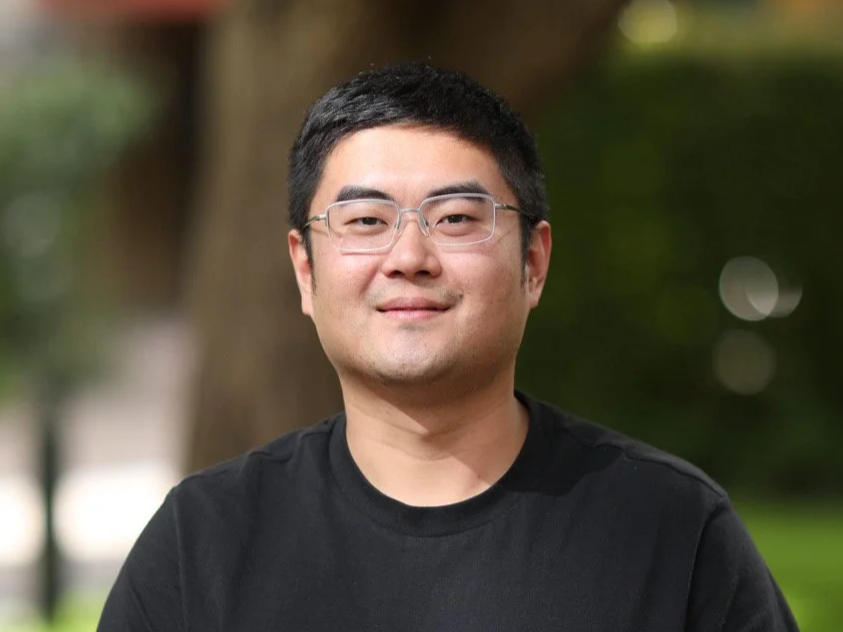
Xiaohe Tian
Xiaohe completed his Bachelor degree in Chemical Engineering from China University of Petroleum, China (2017) and his Master of Chemical Engineering from the University of Queensland, Australia (2019). He then moved back to China for work on food manufacturing activities at Mars Wrigley, where he worked as a graduate management trainee to lead an effective production team for driving operation excellence. He joined the lab in August 2023. His research focuses on developing a highly energy- efficient, and stable MEA-based systems through MEA voltage diagnosis and membrane-electrode architecture engineering.
-
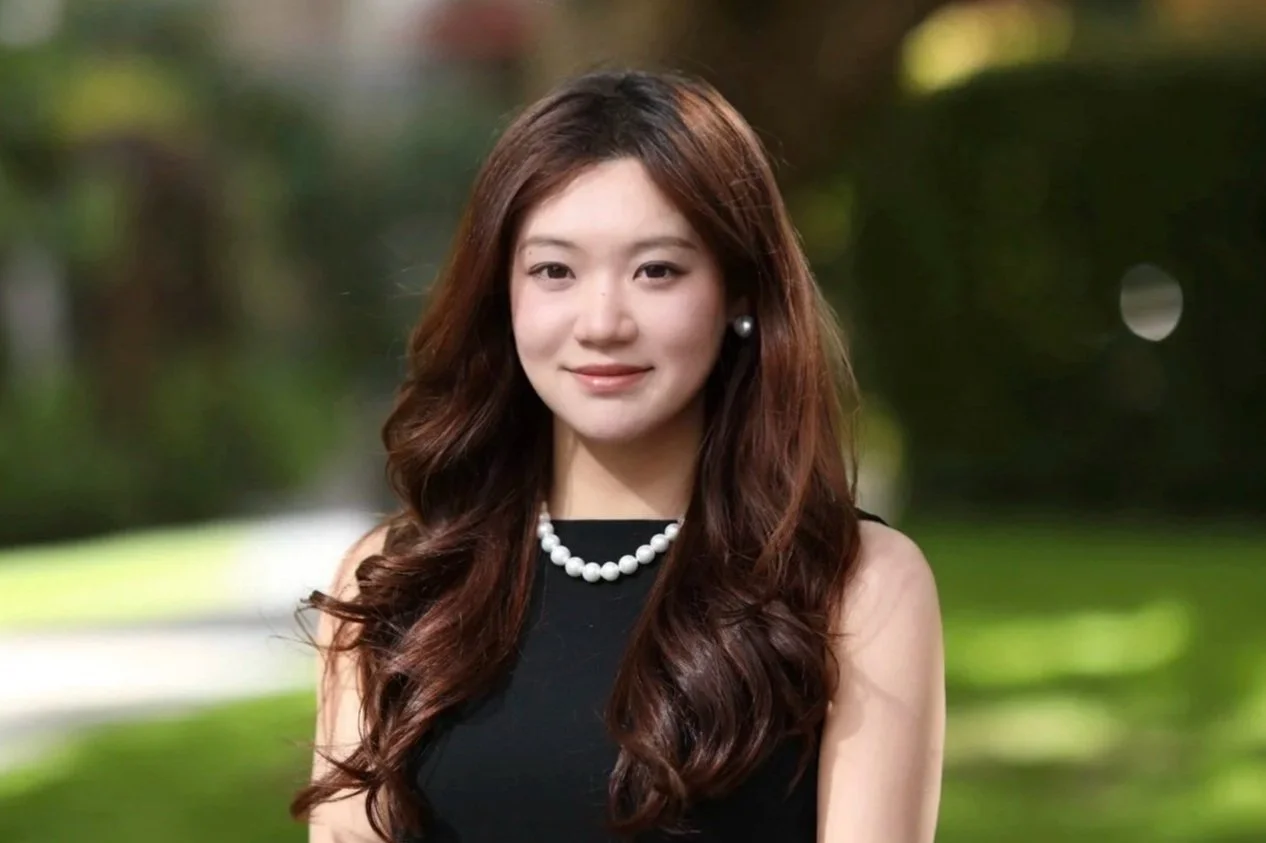
Qi Gao
Qi completed her BEng in Applied Chemistry from Dalian University of Technology and her MEng in Chemical Engineering from University of Melbourne. She joined the lab in August 2023. Her current research focuses on developing an integrated CO2 capture and electrolysis system.
-
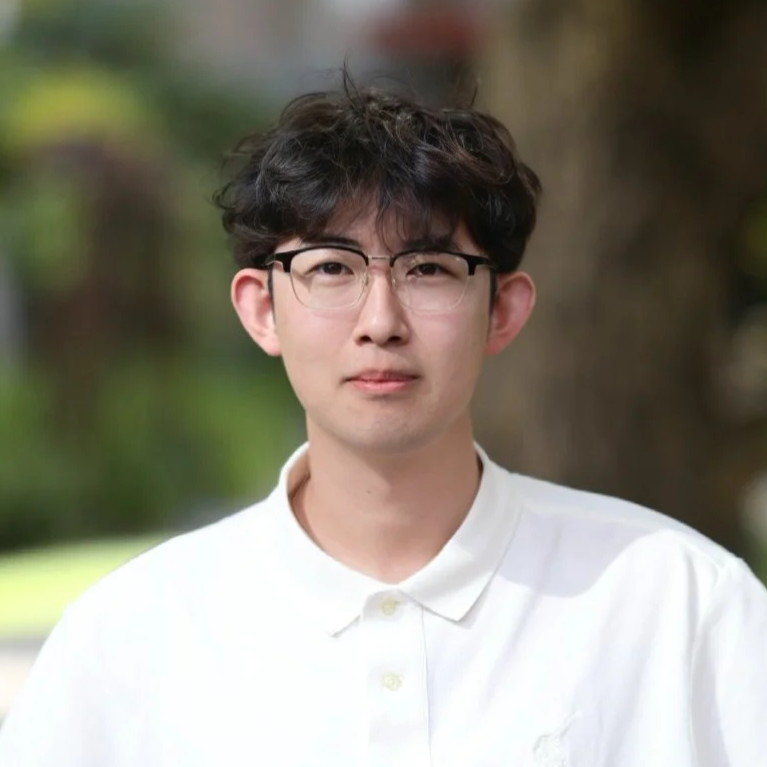
Haowei Zhang
Haowei completed his Bachelor Honour degree and Master of Philosophy in Chemical and Biomolecular Engineering from The University of Sydney. In January 2024, he joined University of Melbourne as a PhD candidate. His current research is on developing the efficient and stable bipolar membranes for CO2 electrolysis.
-
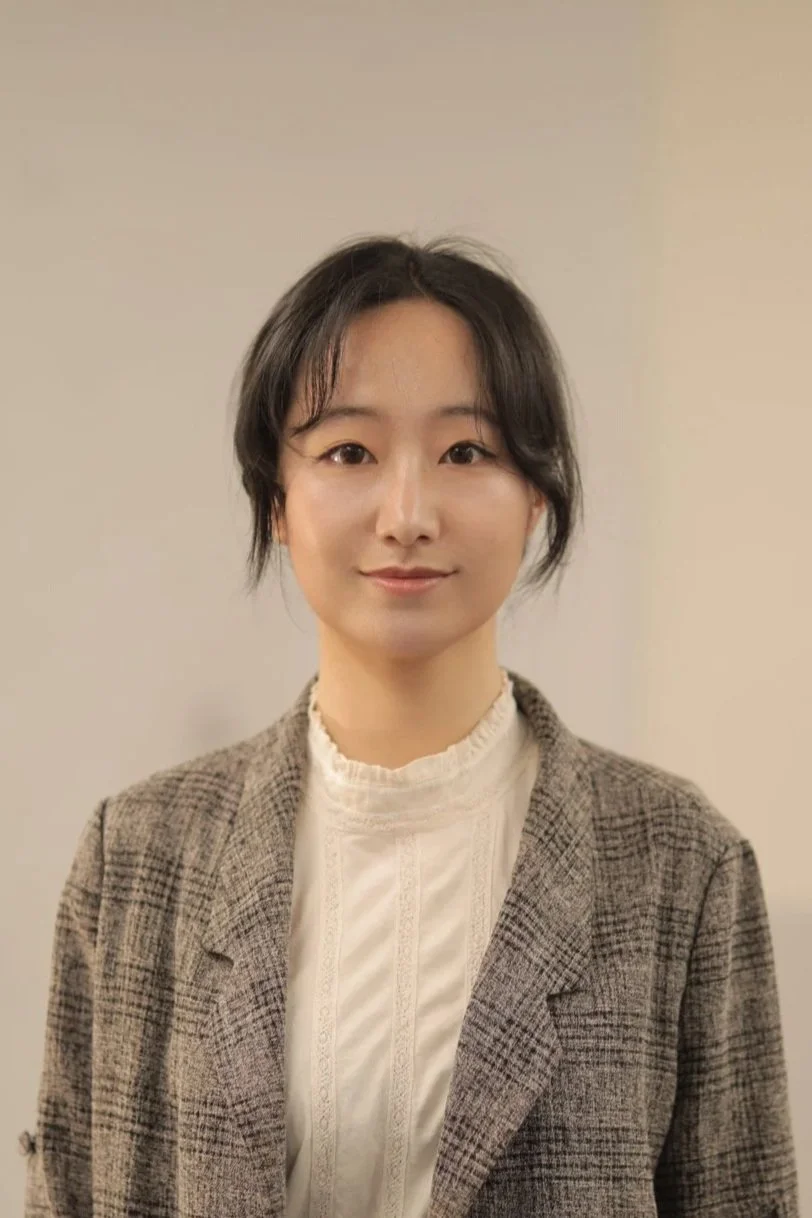
Jia Li
Jia completed her BEng in Chemical Engineering from Xiamen University and her MSc in Materials Engineering from City University of Hong Kong. She then worked at Nano and Advanced Materials Institute as Engineer. In February 2024, she joined University of Melbourne as a PhD candidate. Her current research focuses on mass transport process in BPMEA system.
-
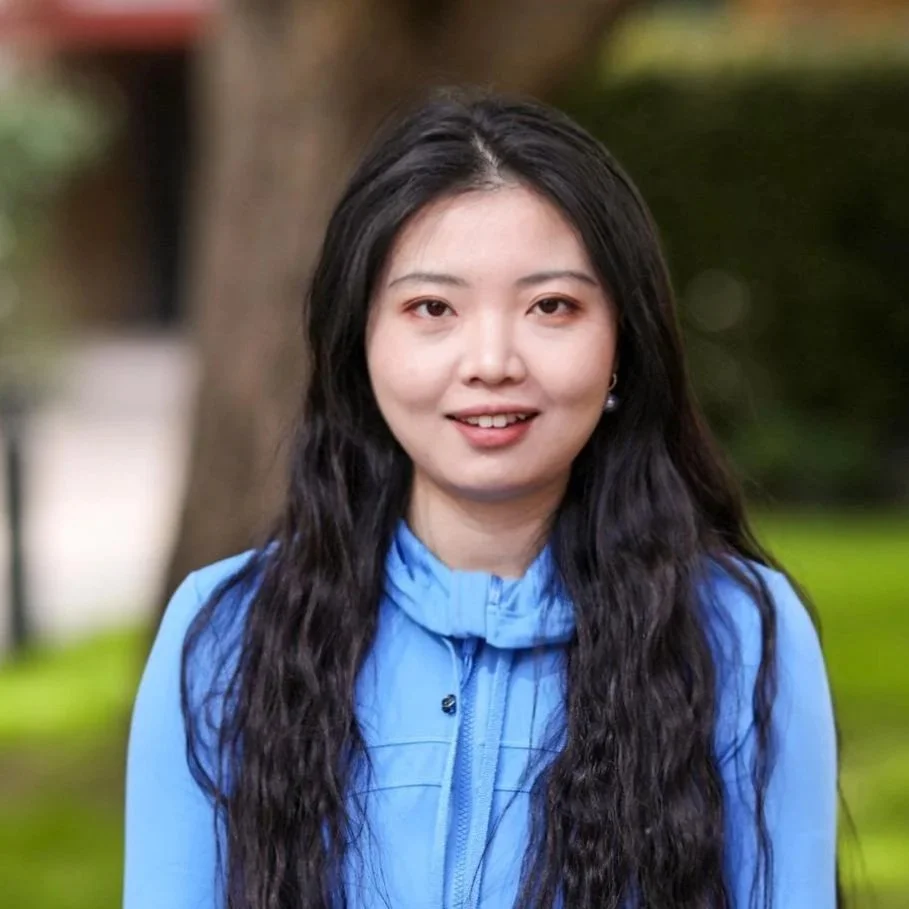
Yi Gong
Yi completed her BEng in chemical engineering from Ocean University of China and her Msc in Chemical Engineering from National University of Singapore. Her current research focuses on solving the high energy consumption in bipolar membrane electrodialysis for CO2 capture.
-
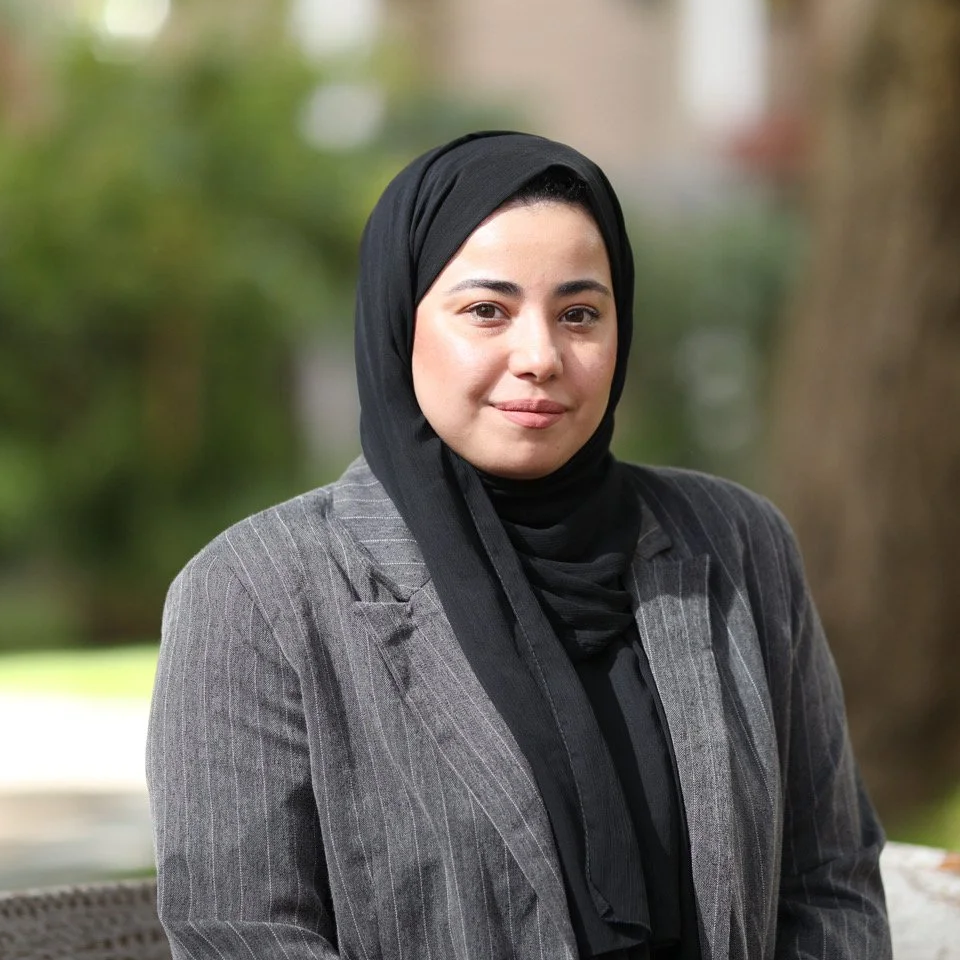
Dina Ewis
Dina obtained her MSc in Environmental Engineering and her BSc (Honours) in Chemical Engineering from Qatar University. She worked as a Research Assistant, where she focused on process economic analysis and carbon conversion technologies. At the University of Melbourne, she will work closely with KC8 Capture on the ReDeFINE project.
Meet our Postdoctoral Research Fellows
-
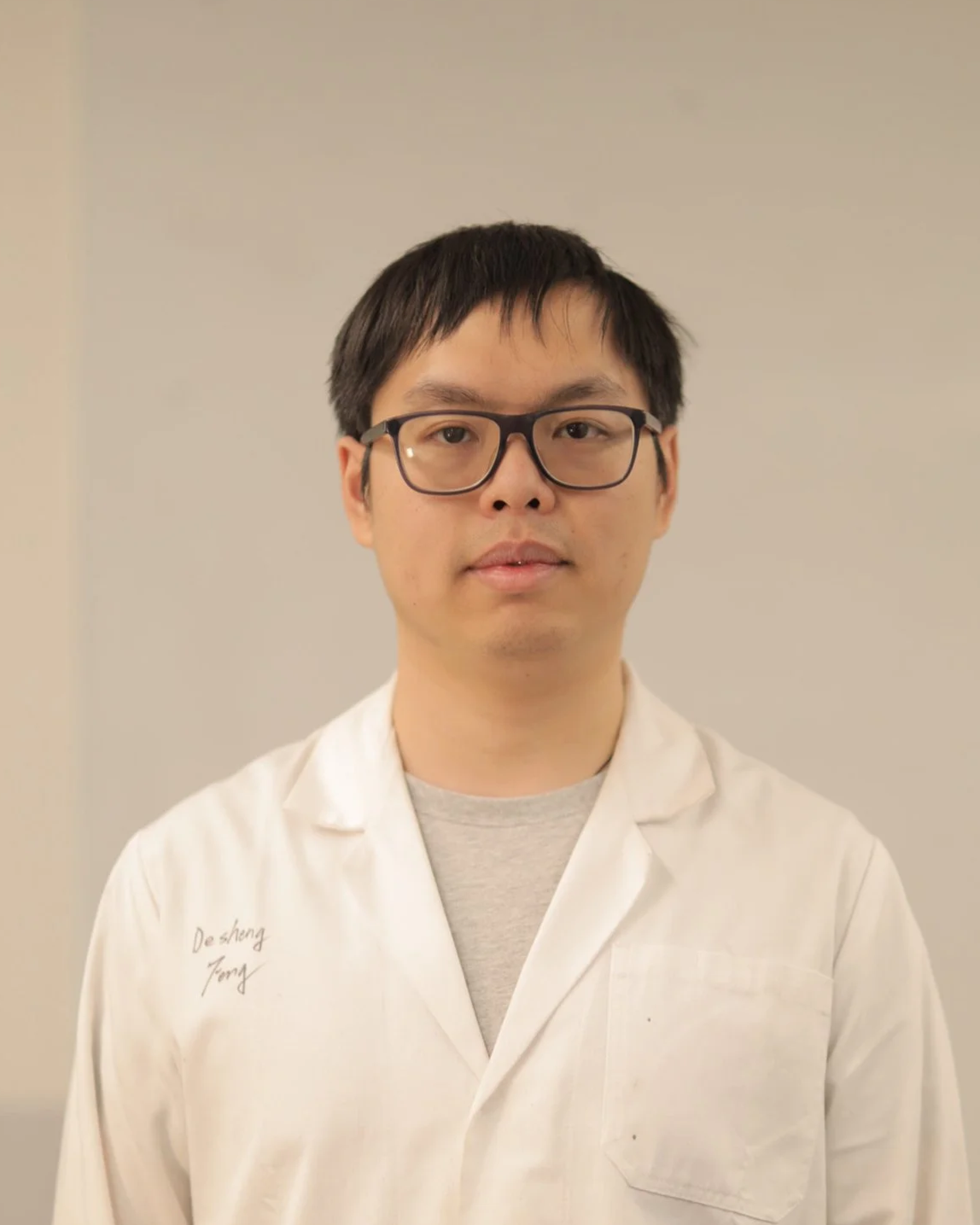
Desheng Feng
Dr Desheng Feng received his PhD from the University of Queensland (UQ), Brisbane, in 2024. His doctoral work focused on developing stable and active cathode materials for protonic ceramic fuel cells. He joined the Li Energy Lab in 2024. His research spans high-temperature ceramic fuel cells and electrolysers, electrochemical hydrogen separation and compression, and carbon dioxide electrolysis.
-
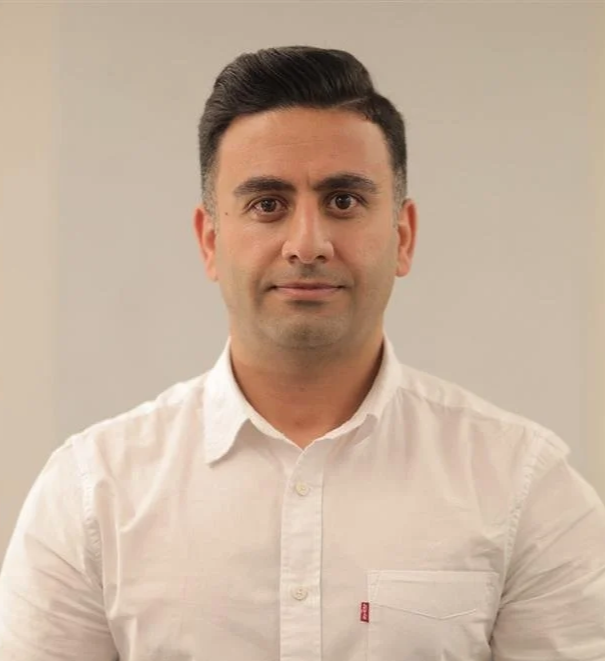
Saeed Askari
Dr Saeed Askari completed his PhD in Chemical Engineering at Monash University in 2025, where he developed advanced single-atom electrocatalysts and multifunctional materials for metal–air batteries and CO₂ conversion. He joined the Li Energy Lab at the University of Melbourne as a Postdoctoral Research Fellow, working on next-generation CO₂ capture, low-energy regeneration pathways, and scalable clean-energy technologies. His research focuses on materials design, thermochemical processes, and sustainable reaction engineering, with the aim of enabling more efficient and environmentally responsible energy systems.
Alumni
-
Dr Andre Chamber
Dr Andre Chambers was a Postdoctoral Research Fellow in 2024 - 2025 working on electrolyser design and optimisation. He is now working at the University of British Columbia, Canada.
-
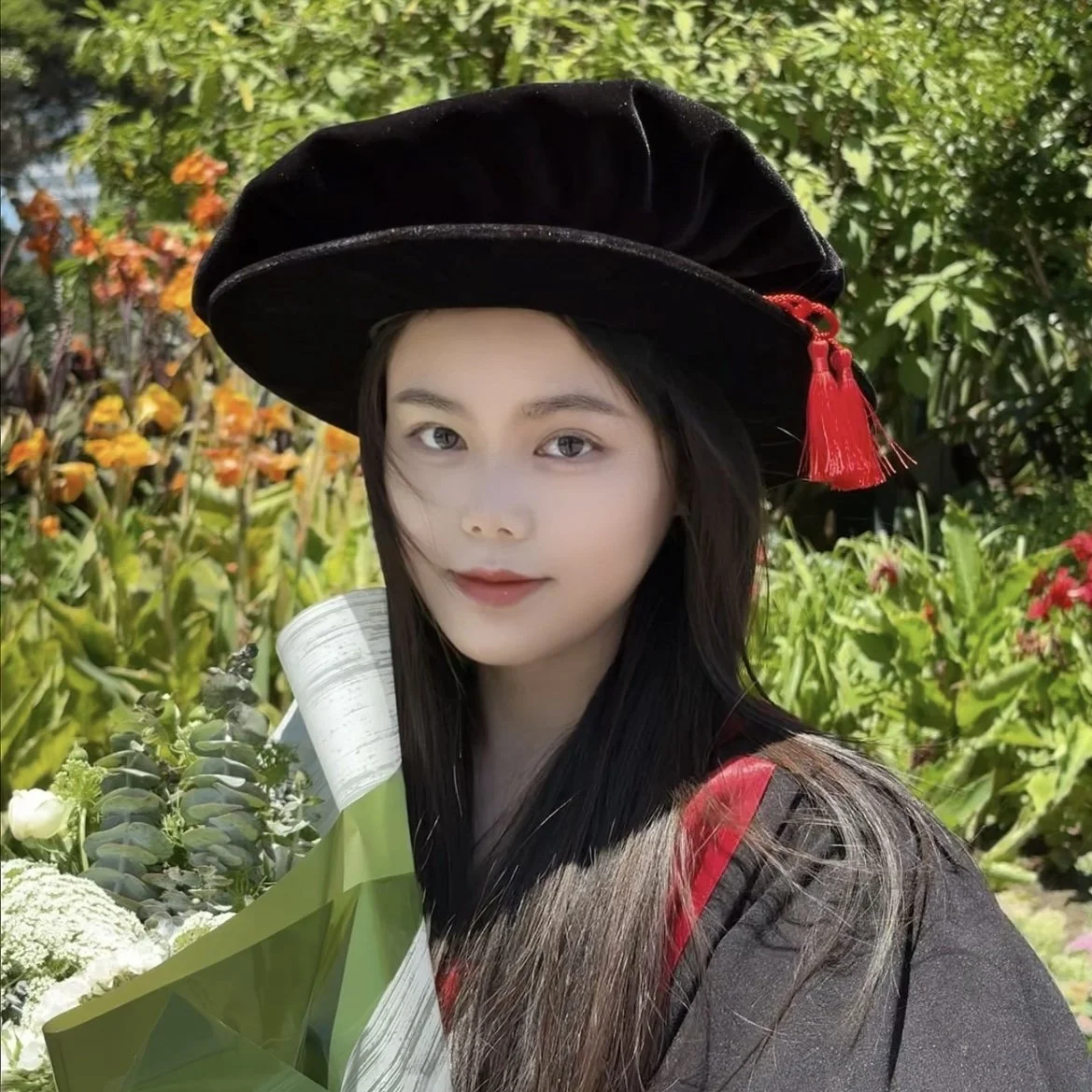
Dr Jinsha Liao
Dr Jinsha Liao was a Postdoctoral Research Fellow working on multiscale modelling of ion transport in electrochemical systems. She is currently working in Australian Energy Market Operator (AEMO), Melbourne.